人はひとたび生を得れば必ず死にます。自殺する必要はないのです。だまっていてもお迎えは誰にもやってきます。
どんなに苦しくっても生を貫くことこそ尊いのではないでしょうか。私はそのように考えています。
スラチャイ
(Mainichi Japan) March 18, 2012
Kaleidoscope of the Heart: Don't be afraid to seek help when you feel desperate
香山リカのココロの万華鏡:SOSの声をあげて /東京
The number of suicides in 2011 stood at over 30,000, according to National Police Agency statistics. Although this figure marked a slight decline on the previous year, it remains alarming. Of particular note is the increase of suicides among students.
警察庁の統計によると、昨年の自殺者は減少傾向にあるものの、依然として3万人を超えていたことがわかった。とくに目立つのは、「学生・生徒」に分類される若い人の自殺の増加だ。
In comparison to the preceding year, in 2011 some 101 more young people took their own lives. For the first time since authorities began keeping records in 1978, the number of suicides committed by young people surpassed 1,000.
前年より101人も増え、統計を取り始めた1978年以降、初めて1000人を超えた。
This is extremely regrettable. I am aware that in each of these cases those young people must have had various concerns. However, I believe that regardless of the circumstances, if they had sought help from those around them and if they had spent more time on their problems, they would have been able to resolve the grave issues that had been eating them up inside.
本当に残念だ。それぞれに事情はあったのだろう。でも、どんな問題でもまわりの人の力も借りながら、時間をかけて取り組めば、必ず解決できたはずなのに、と思う。
What exactly is missing with these young people? Is it an ability to face problems? I don't think so.
では、何が欠けていたのだろう。本人の「問題に向き合う力」なのか。それは違うはずだ。
I believe that all youth have the power to overcome difficulties and to somehow find their way. However, if there's no support from other people, it is somewhat difficult to access this power.
どんな若者にも、困難な状況に立ち向かい、自分なりの道を見つける力が必ず備わっている。ただそれは周囲からのサポートがなければ、なかなか発揮されないものなのだ。
Children and young people have the general tendency to think that whenever something bad happens to them, it is mostly their fault.
子どもや若者は、一般的に自分に問題が起きたとき、「自分が悪いからこうなった」と思い込む傾向がある。
For example, it is very common for small children to think something along the lines of "I haven't been a good child and that is why mom and dad decided to separate" when their parents decide on a divorce -- based on their personal issues. There are some children who go as far as to think that it is better for them to be gone, believing that it is all their fault.
たとえば親どうしが自分たちの事情で離婚しても、幼い子どもは「ボクがいい子じゃないからパパとママは別れた」と信じていることがよくある。中には、「悪い子のボクなんか、いなくなったほうがいいんだ」と考えるようになる子どももいる。
In such cases, adults should continuously tell the children that it is not their fault and that they are needed.
おとなは、「あなたのせいじゃない」「君はみんなから必要とされているんだよ」と言い続けてフォローしなければならない。
However, recently there have been cases in which adults have failed to offer such words, based on the belief that children should not be spoiled. There are some who not only refrain from comforting children or young people, but would even try to do the opposite -- make them feel personally responsible for the problems that are happening.
ところが、最近は「子どもを甘やかすな」という考えのもと、そのフォローがない場合がある。それどころか、「これはあなたの責任だ」と子どもや若者にも自己責任を突きつけるおとなもいる。
Needless to say, if a child or a young person is clearly responsible for a situation, adults need to maintain a firm stance toward them. However, in other cases, telling children and youth to deal with the situation by themselves and emotionally pushing them away will do nothing but push them to the edge.
もちろん、問題の原因がはっきりしている場合は毅然(きぜん)とした態度で接することも必要だが、そうでない場合にまで「自分で何とかしなさい」と若い人たちを突き放すのは、彼らを追い込むことにしかならない。
Every child and every young person is important, not only for their families but also for society as a whole. Adults should be ready to support them in a variety of ways.
どの子どももどの若者も、家族にとっても社会にとっても、宝物のように大切な存在だ。おとなは彼らのために、あらゆるサポートをする準備がある。
When youth feel they need help, they should not be afraid to ask for help. This message, however, never reached the over 1,000 young people who took their own lives last year.
困ったときには遠慮なく、SOSの声をあげてほしい。そういうメッセージが、自分で命を絶った1000人を超える「学生・生徒」たちには届かなかったのだ。
If there is a child or a young person among you who feels helpless, please do not hesitate to seek help from an adult near you.
そして、いま「自分じゃどうにもならない」と思っている子どもや若者がいたら、となりのおとなに「助けて」と声をかけてみてください。
If that person refuses to help you, don't give up and try a second and third person.
最初のおとながこたえてくれなくても、あきらめないでふたり目、3人目にも助けを求めてほしい。
At some point, I am sure, there will be someone who will hear you and help you figure out a solution to your problems.
必ずあなたの声に耳を傾け、いっしょに考えてくれるおとながいるはずだから。
毎日新聞 2012年3月13日 地方版
Downfall of Chongqing head a sign of China's power struggle
重慶トップ解任 次期体制作りへの権力闘争だ(3月16日付・読売社説)
On Thursday, the day after the close of the annual session of China's legislature, the National People's Congress, it was announced via the official Xinhua News Agency that Communist Party Politburo member Bo Xilai had been removed from his office as party secretary for Chongqing, the top post in the nation's most populous municipality.
中国の全国人民代表大会(全人代=国会)閉幕翌日の15日、新華社通信が中国最大の都市・重慶市のトップ、薄煕来・共産党政治局員の市党委員会書記解任を報じた。
Bo, whose father was formerly a vice premier, is known as an influential leader among his fellow "princelings," children of past or current high-ranking party officials.
元副首相を父に持つ薄氏は、党の高級幹部の子女グループ「太子党」の有力指導者だ。
In the past Bo had assumed such key posts as head of the northeastern province of Liaoning and commerce minister. He was therefore seen as a favorite for promotion to a seat on the Politburo's Standing Committee, China's highest decision-making body, at the National Congress of the Communist Party late this autumn.
東北部の遼寧省長や商務相などの要職を歴任し、今秋の共産党大会で政治局常務委員へ昇格して、最高指導部入りすると取り沙汰されていた。
Close attention should be paid to the impact of Bo's removal on the formulation of new leadership under Vice President Xi Jinping, another prominent princeling, who is expected to be elected to the posts of party general secretary and president.
今回の人事が、同じ太子党の中心人物で、次の党総書記・国家主席に選出される予定の習近平国家副主席の体制作りに、どう影響するのかを注視したい。
The direct reason for Bo's axing is believed to be his supervisory responsibility for an incident in which his close associate, a former police chief of Chongqing, fled to the U.S. consulate in Chengdu, Sichuan Province, in early February and was then detained by state security officers.
薄氏の解任は、直接的には、腹心の前公安局長が四川省成都市の米国総領事館に駆け込み、その後中国当局に拘束された事件で、監督責任を問われたといえる。
Bo had used the police chief to carry out a large-scale crackdown on organized crime in Chongqing. He attracted strong attention nationwide because of his anticorruption stance, relentlessly punishing high-ranking officials of Chongqing's Public Security Bureau and others for their cozy relations with the city's gangs.
この腹心を使って、薄氏は重慶で、組織暴力団の大々的な摘発を行った。暴力団と癒着していた公安局幹部ら当局者も容赦せず、腐敗一掃に取り組む姿勢が全国的に注目を集めていた。
===
Echoes of historic conflict?
It was rumored, however, that his drives against organized crime and corruption were motivated chiefly by his desire to oust his political rivals under the guise of eradicating corruption. Bo's high-handed political style also reportedly provoked adverse reactions from within the leadership of President Hu Jintao.
だが、汚職根絶を口実にした政敵の追い落としではないかとのうわさや、薄氏の強引ともいわれる政治手法が、胡錦濤政権内で反発を招いていたとされる。
Premier Wen Jiabao, in a press conference at the end of the latest National People's Congress, made reference to the Chongquing incident, noting, "Lessons must be drawn seriously," hinting that Bo would be responsible.
温家宝首相は、全人代の閉幕にあたっての記者会見で重慶事件に触れ、「真剣に事件の教訓をくみ取るべきだ」と、薄氏の責任を追及する姿勢を見せていた。
Wen went on to say, "Without reform of the political system, there will be no prospect for thorough reform of the economic system, possibly creating the danger of a recurrence of a historic tragedy like the Cultural Revolution."
温首相は「政治体制改革の成功がなければ、経済体制改革も徹底できず、文化大革命のような歴史的悲劇が再び起きる恐れもある」とも語った。
Although what Wen meant to convey by such remarks is not yet clear, it was extraordinary for the premier to refer to the days of the Cultural Revolution.
真意は不明だが、文革への言及は極めて異例だ。
This could indicate signs are emerging of a power struggle within the party leadership, somewhat similar to the days of the Cultural Revolution. Ahead of the transition in which the makeup of China's top leadership will be reconfigured at the coming party convention, backstage maneuvering between princelings and such factions as the Communist Youth League, led by President Hu, may be under way. There may also be a schism among the princelings themselves.
当時のような権力闘争の兆しが党指導部にあることをうかがわせる。指導部が入れ替わる党大会を前に、胡総書記率いる「共産主義青年団」派と太子党などの駆け引きがあるのだろう。太子党内の対立といった側面もある。
===
Mountain of hard tasks
At the threshold of an important generational changeover in China's leadership, the latest session of the National People's Congress approved lowering the country's growth target to 7.5 percent from a longstanding annual growth goal of 8 percent, signifying that China is now in favor of shifting its key economic policy away from continuation of high growth to balanced, sustainable growth.
世代交代の重要な転換期にあたり、今回の全人代では、経済成長率目標を従来の8%から7・5%へと引き下げ、高度成長から安定成長路線へとかじを切った。
From the standpoint of Japan, it is definitely desirable to see the Chinese economy maintain growth and achieve stability without losing steam.
日本にとっても、中国経済が失速せず成長を維持し、安定することが望ましい。
Difficulties in China's domestic politics, however, have kept deepening, including widening disparities between rich and poor.
だが、貧富の格差の拡大をはじめ内政の困難さは増す一方である。
The Chinese administration has been narrowly managing to suppress the violent upheaval that has frequently broken out in various regions of the country.
各地で多発する暴動を政権は力で抑え込んでいるのが現状だ。
How should Beijing build a framework conducive to pushing ahead with its political and economic reform tasks?
政治や経済の改革を推進するための体制をどう構築するのか。
This is the challenge of utmost significance that must be addressed by China's new leadership to be headed by Xi.
それが習氏の直面する重い課題だ。
(From The Yomiuri Shimbun, March 16, 2012)
(2012年3月16日01時22分 読売新聞)
raison d'etre レイゾンデトラ 存在意義、理由
使用済み燃料の保管は10万年なのでその間にかかる維持管理費は天文学的数字に達するでしょう。
モンゴルを最終処分地として狙っているとの情報を得ましたがとんでもないことです。
日本人として政府関係者が米国と共謀してそのような動きをしていることに失望させられました。
モンゴルの人たちにもその危険性につき知らせる必要があります。
若狭湾は当面使用済み燃料の保管管理で食べてはいけれるのではないでしょうか。
原発はやはり金食い虫だと考えます。10万年!
スラチャイ
(Mainichi Japan) March 15, 2012
The future of nuclear industry-dependent towns is now
記者の目:震災1年 脱原発後の地域の具体像を=柳楽未来
◇全国最多の「原発地域」若狭湾
There are 14 nuclear reactors on the shores of Wakasa Bay in Fukui Prefecture, the largest concentration in the country. Until Feb. 21, when the last of the 14 reactors still running was shut down for regular maintenance, this clutch of reactors supplied half the electricity used by the entire Kansai region.
福島第1原発事故直後の昨年3月下旬、全国最多の原発14基が立地する福井県の若狭湾岸に赴任した。先月21日で14基全てが停止するまで、関西の消費電力の半分を供給した地域だ。
Across Japan, the anti-nuclear winds are blowing strong. In the areas around the plants themselves, however, there are equally vehement voices calling for the continuation of nuclear power. Meanwhile, anti-nuclear citizens' groups near the power stations have begun to hunt for a "realistic route" to a post-nuclear power economy in their communities.
全国的に原発への逆風が強まるなか、地元では原発維持を望む声が圧倒的に強い。脱原発を求める地元の市民団体も、将来の町づくりを視野に「現実路線」を模索し始めた。
However, if we see the pro-nuclear faction as simple "nuclear money" addicts, hungry for the jobs and subsidies that come with hosting a plant, then all useful discussion on the issue comes to a grinding halt.
だが、原発維持を望む声を単純に「雇用や交付金などの“原発マネー”目当て」と見ると、原発を巡る議論は止まってしまう。
I was dispatched to the Wakasa Bay area in late March 2011, soon after the Great East Japan Earthquake and tsunami and the ensuing meltdowns at the Fukushima No. 1 nuclear plant. What I want people to understand about this debate is that, behind local calls for nuclear power's continuation are deep misgivings over the future of the community. In fact, it is hard for many of these people to see any future at all.
「原発維持」を望む背景には、脱原発後の地域の姿が描けない現状があることを知ってほしい。
◇財政規模巨大化、繁栄の光景なく
Some 10 kilometers from the center of Mihama, Fukui Prefecture, and 1 kilometer from Kansai Electric Power Co.'s Mihama nuclear plant, is the district of Takenami, home to a cluster of guest houses frequented mostly by plant workers. When I first visited the area, I was taken aback by how close the Miyama plant's three reactors were, their looming bulk weighing down the landscape between the homes and the sea.
同県美浜町中心部から約10キロ、関西電力美浜原発からは約1キロ。同町竹波地区には、主に原発作業員を泊める民宿が点在する。初めて訪れた時、円柱形の原子炉3基が海を挟んですぐ目の前に見え、その、あまりの存在感の大きさに驚いた。
"Nuclear workers come and stay at the guest houses, and young people were employed by the power company," says one 75-year-old local farmer. "This place used to be a backwater, but thanks to the nuclear plant it really developed."
農業を営む元町議の山本善昭さん(75)は「民宿には作業員が泊まり、若者は電力会社に就職した。ここはへき地だったが、原発のおかげで地域が発展した」と話す。
Until I took up my position in Fukui Prefecture, I had always seen communities around power stations as just getting fat off nuclear money. Certainly, the nuclear subsidies for Mihama have made an enormous difference to the town's finances, perhaps best represented by its new, 2.7 billion yen town hall.
赴任まで、原発がある「立地自治体」には「原発マネーで潤う地域」というイメージがあった。確かに、巨額の交付金で町の財政は巨大化し、美浜町中心部には総工費約27億円の美浜町役場もできた。
Mihama's Takenami district, however, does not look like it has seen much of that supposed river of nuclear cash. The two-lane prefectural road linking the district to the center of town is often cut by landslides. The community center designated a temporary shelter in case of a nuclear accident is the district's only reinforced concrete building, but it is beginning to show its age, and has also never been earthquake-proofed. Many of the locals are elderly, and the district looks no different than any other sparsely populated rural area. The population of Mihama as a whole has dropped by about 20 percent over the last 40 years.
だが、竹波地区が栄えているようには見えない。地区と町中心部を結ぶ片側1車線の県道は、土砂崩れで頻繁に通行止めになる。原発事故時に一時避難場所となる公民館は地区で唯一の鉄筋造りだが、老朽化し耐震工事もされていない。高齢者が多く、集落の風景は他の過疎地と変わらない。町全体の人口もこの40年で約2割減少した。
So, has the nuclear plant actually helped Mihama develop?
原発で本当に地域は発展したのか。
"It's true the population has fallen," says the 75-year-old farmer. "So I have to admit I've wondered whether the plant really gave us explosive advantages."
山本さんは「確かに人口は減った。果たして原発が地域振興の起爆剤になったのかという思いはある」と複雑な胸中を語った。
In January this year, the central government laid down a 40-year maximum service life for nuclear reactors. If this limit is strictly applied, the Mihama plant's three reactors will all be shuttered within five years. For a town benefiting so much from nuclear industry-related subsidies and employment, this would mean a complete shift in the very nature of Mihama's existence. However, the town has yet to stir itself in search of an alternative future, and local calls for the continuation of nuclear power roll on unchanged.
政府は1月、「原発の寿命」を40年とする原則を打ち出した。厳格に適用されれば、美浜町の原発3基は5年以内に廃炉になる。原発関連の交付金や雇用が多い同町にとっては、町のあり方を変えざるを得ない状況だ。だが、新たな地域の姿を模索する動きはほとんどなく、「原発維持」を求める姿勢は変わらない。
At a January meeting between local residents and Kansai Electric representatives, Mihama residents expressed mixed feelings about nuclear power in the wake of the Fukushima meltdowns.
「原発がある不安、なくなる不安の両面がある」。1月、関電と地元の懇談会で、住民側は福島の事故後の複雑な心境を吐露した。
"We're worried about nuclear energy, but at the same time we're worried about losing it," some said. The Fukushima nuclear disaster spread radioactive materials far and wide, contaminating fields and doing severe damage to the agricultural sector. The farming representative in the local delegation expressed deep misgivings over the dangers of nuclear power, but at the same time, "Mihama's farms earn very little income, and about 30 percent of farming family members work at the plants. So we hope very much that the reactors will go back on-line," he said.
福島では、田畑にも放射性物質が飛来し、農業が甚大な被害を受けた。懇談会に参加した地元農協の代表は原発の危険性に不安を示しながらも、「農業所得の少ない町だから、農家の30%は原発に働きに出ている。できるだけ原発を再稼働してほしい」と訴えた。
◇温度差広がる都市部と地元
Currently, petitions against nuclear energy are proliferating across Japan's urban centers, and millions of signatures have been collected so far. Anti-nuclear activism in local areas, however, has been much weaker. When I asked people in around Mihama about the issue, many told me that "nuclear power is scary, but I have family and neighbors working in nuclear-related jobs, so it's difficult for me to say I'm for abandoning nuclear energy."
今、都市部を中心に脱原発を求める署名活動が広がり、そこでは、数百万人分の署名が集まる。一方、立地地域での動きは低調だ。地元で取材をしていると「原発は怖いが、親族や近所に原発関連の仕事をしている人が多く、脱原発とは言いにくい」という声もよく聞く。
The No. 1 reactor at the Mihama plant is just over 40 years old, and in that time nuclear power has become deeply entwined with the lives and livelihoods of the townspeople. Even if Japan gives up on nuclear power generation, neither the plant buildings themselves nor the locals' connections to the industry will disappear overnight. Then there is all that spent nuclear fuel still stored at the facilities. The gap in sentiment about nuclear power between cities and the countryside is growing ever wider.
美浜原発1号機の運転開始から40年あまり。原発は人々の暮らしに密接に結びついてきた。脱原発が実現しても、原発の施設そのものや、原発と暮らしとの結びつきがすぐ消せるわけではない。原発から出た使用済み核燃料も敷地内に残る。「脱原発」という理念だけでは、都市部と地元との温度差は広がる一方だ。
Teruyuki Matsushita, 63, head of the local anti-nuclear group "Mori to kurasu donguri club," has begun a serious look at what route the town might take if nuclear power came to an end. He is in consultation with experts on initiatives to connect local employment with keeping spent nuclear fuel in the town for the next 20 to 30 years, without expanding nuclear facilities. He plans to have proposals ready for submission to the mayor by May this year.
脱原発を目指して活動を続ける美浜町の市民団体「森と暮らすどんぐり?楽部」代表の松下照幸さん(63)は今年に入り、現実路線を模索し始めた。原発を増設せず、使用済み核燃料を町内で20~30年保管し、地域の雇用につなげる案を識者らと協議中だ。5月までに政策としてまとめ、町長に提案する計画だ。
For Matsushita, who has been pointing out the dangers of nuclear power for many years, this was a bitter choice to make, and he has taken plenty of flak from other anti-nuclear activists for moving in this direction. However, "what will happen to the town if nuclear power just disappears," he says. "If we propose a concrete and realistic policy for alternatives to the nuclear industry, we should be able to ease the region into something different."
長年、原発の危険性を指摘してきた松下さんにとっては苦渋の決断だ。他の原発反対派からの批判もあるという。だが、「突然、原発が無くなったらこの町がどうなるのか。原発に代わる具体的で現実的な政策を提案すれば、ゆるやかに地域は変われるはずだ」と話す。
We can all see the dangers of nuclear power clearly now, after the Fukushima meltdowns. This year, Japan will engage in a national debate over the next step to be taken in the country's decades-long dance with nuclear energy. A concrete vision of the future of local areas now dependent on nuclear power must be a part of that debate. If we can hammer out that vision, then we can deal with the needs of both sides of the issue -- the local areas hosting nuclear plants and the electricity-consuming urban areas that were the raison d'etre for the plants themselves -- in the same arena. If we can do that, then surely the debate on Japan's energy future will get that much easier.
福島原発事故で、私たちは原発の危険性をまざまざと見せつけられた。今年は、原発とどう向き合っていくのか、国民的議論が求められる年になる。議論にあたって国は、脱原発後の立地地域の具体像を示すべきだ。それがあれば、原発の立地地域と原発が生む電気の消費地(都市部)が同じ土俵に上がれる。その場合、将来の日本のエネルギーのあり方について議論するのも、それほど難しくなくなるだろう。
(By Mirai Nagira, Tsuruga correspondent)
毎日新聞 2012年3月15日 0時28分
NSC=Nuclear security agency 原子力安全委員会
NISA=Nuclear and Industrial Safety Agency 原子力保安院
ここまできて既得権を死守しようというかまえでしょうか。情けない話です。
名前の変更は米国の影響だと思います。
米国は同種の委員会にsecurityということばをつかっているからです。
名前を変えただけでは意味がありません。
その実体が改善されないといけませんね。実効性のある組織へと。
スラチャイ
(Mainichi Japan) March 14, 2012
Editorial: Creation of new nuclear regulatory agency no stage for political grandstanding
社説:原子力規制庁 実質的な議論を早く
It is now looking much more likely that the establishment of a new nuclear regulatory agency will be delayed. The Democratic Party of Japan-led administration had planned to get the new body off the ground on April 1, but opposition parties have indicated they will fight the passage of bills underpinning the agency when they come up for debate in the Diet.
「原子力規制庁」の設置が遅れる見通しが強くなってきた。政府は4月1日の発足をめざしてきたが、野党が関連法案の審議入りに難色を示しているためだ。
The new agency's predecessor is the Nuclear and Industrial Safety Agency (NISA), a part of the Ministry of Economy, Trade and Industry -- a ministry directly involved in the promotion of nuclear power. After the Fukushima No. 1 nuclear plant meltdowns in March last year, the government decided that NISA's position under the industry ministry was a serious flaw in Japan's nuclear safety regime and moved to abolish it in favor of the new regulatory agency.
規制庁は東京電力福島第1原発の重大事故を教訓に政府が設置を決めた。原発事故の背景には原子力の安全規制を担う原子力安全・保安院が原発推進の立場にある経済産業省に属していた弊害がある。
Surely anyone would admit that splitting NISA from the industry ministry and combining its brief with other regulatory duties is an important step. Not only is the conflict of interest inherent in the current state of affairs obvious, it also goes without saying that a new regulatory body must be put in place as soon as possible.
保安院を経産省から分離し、他の規制業務とともに一元化することの重要性は誰もが認めるところだ。問題が明らかになっている以上、新しい規制組織をできるだけ速やかに発足させる必要があることは論をまたない。
The real issue is how that body will be set up. The Cabinet has decided on a bill to establish it as an external bureau of the Ministry of the Environment. Some members of the opposition, however, have argued strongly for the agency to be a separate committee, which would have a great deal of independence under Article 3 of the National Government Organization Law.
問題はその組織の位置づけだ。政府は環境省の外局として設置する法案を閣議決定している。これに対し野党の中には、国家行政組織法第3条に基づく独立性の高い3条委員会にすべきだ、との声がある。
The government has made much of the merits of putting the new agency under the environment ministry, saying that crisis management would be much easier than if the body was set up as an independent committee. On the other hand, there are valid worries over whether an agency under the ministry could, when needed, make truly independent, objective judgments contrary to government expectations. The government needs to address this concern in a concrete manner.
政府は環境省に置くことのメリットとして、委員会形式に比べ緊急時の危機管理がしやすいという点を挙げている。ただ、環境省に置かれた規制庁が、いかに政府の思惑から独立した客観的判断を下せるか、懸念があるのは確かだ。政府はより具体的に説明する必要がある。
There is also a pressing need to focus on how a revamped Nuclear Safety Commission of Japan (NSC) will help guarantee the incipient regulatory agency's independence. It must furthermore be noted that the environment ministry has no crisis management experience, which is a source of some worry.
新たに設ける「原子力安全調査委員会」についても、独立性の確保にどのように寄与できるのか、さらに詰める必要がある。危機管理についても、環境省には経験がなく、不安は残る。
On the other hand, we must not jump to the conclusion that setting up the new agency, as the opposition suggests, as an Article 3 committee like the Fair Trade Commission would necessarily guarantee absolute independence. Whether an external bureau of the environment ministry or a separate commission, the points truly at issue are how it is built, how it is managed, and how it will retain important staff.
一方で、野党側が主張するように公正取引委員会のような3条委員会にすれば無条件で独立性が確保されると考えるのも短絡だろう。どちらにしても大事なのは、人材の確保と組織の運営だ。
We also call on the opposition not just to try and slow debate on the bills underpinning the new agency, but to initiate substantive discussion on this important issue. Opposition parties must explain how the Article 3 committee they favor would be put together, and how that would safeguard the new body's independence of action. They must also tell us in definite terms what structure they see for the committee that would allow it to overrule government policy in a crisis.
野党側も、単に審議入りを遅らせるのではなく、実質的な議論を進めてほしい。3条委員会にした場合にどのような組織によって真の独立性を担保するのか。緊急時の危機管理についても政府案より優れた組織をどう構築するのか、具体的に示してもらいたい。
It is also possible that the delay in creating the new regulatory agency will also affect decisions on restarting nuclear reactors idled for regular maintenance. On March 13, the NSC completed approval of the results of stress tests on the No. 3 and 4 reactors at the Oi nuclear plant -- conducted by NISA, which we have already seen has a direct conflict of interest.
規制庁の設置の遅れは原発の再稼働の判断にも影響を与える可能性がある。原子力安全委員会の検討会は13日、大飯原発3、4号機のストレステスト(安全評価)を妥当とした保安院の審査結果の確認作業を終えた。
Of course, under the stress test process, the decision on restarting reactors can be made at the political level. However, it's just impossible at this point to ask us to trust NISA and the incumbent version of the NSC.
手続き上は、規制庁の発足前でも再稼働を政治判断することができる。しかし、旧来の保安院や原子力安全委の判断を信頼せよというのは無理な注文だ。
At this moment, faced with the frankly nerve-wracking technology of nuclear power, deliberations and decisions on its future must not be delayed by political gamesmanship. We call on the governing and opposition parties together to move deliberations on this issue forward.
今も不安を抱える原発を前に政治的な取引で審議が遅れることがあってはならない。与野党共に審議を進めるために最善を尽くすべきだ。
毎日新聞 2012年3月14日 2時30分
久しぶりに新聞記者の記者魂をみせてもらいました。
こんな新聞記者もいるのですね。
普通は英文、和文で文節ごとに対応させて掲載するのですが、今回はそれをしませんでした。
英文は平易です。和文より分かりやすいくらいのものなのですが、ネイティブには違和感があるのかも知れません。
なによりすばらしい内容に打たれました。
原発の使用済み燃料の最終処分地とてモンゴリアが目をつけられたということですが、日本人として恥ずかしく思いました。
自国の使用済み燃料は自国で最終処分するのが道理ではないでしょうか。たとえ10万年の間安全に保管する必要があるにしても。
米国と日本が仕組んだ、このような陰謀は、モンゴリアの人々に広く紹介されるべきだと思いました。
日本は使用済み核燃料の保有量が世界で3番目の核大国なのです。
第一位はアメリカ、第二位はカナダ、そして、日本が第三位なのです。
日本は恥を知るべきだと感じました。
スラチャイ
Mainichi scoop on Mongolia's nuclear plans highlights problems in dealing with waste
特集:ボーン・上田記念国際記者賞、毎日新聞・会川晴之記者に 盲点「核のゴミ」問う
Coverage on a secret document detailing an international nuclear waste disposal site that Japan and the United States had planned to build in Mongolia, for which I won the Vaughan-Ueda Memorial Prize for 2011, has highlighted the difficulties in dealing with radioactive waste.
The secret plan surfaced as the crisis at the tsunami-hit Fukushima No. 1 Nuclear Power Plant has stirred controversy over the pros and cons of nuclear power.
I learned that the Japanese Economy, Trade and Industry Ministry and the U.S. Department of Energy had been secretly negotiating the plan with Mongolia since the autumn of 2010 when I interviewed a U.S. nuclear expert on the phone on April 9, 2011.
"Would you please help the Mongolian people who know nothing about the plan. Mongolia is friendly to Japan, Japanese media certainly has influence on the country," the expert said.
I flew to Ulan Bator, the capital of Mongolia, on April 22, and met with then Ambassador Undraa Agvaanluvsan with the Mongolian Foreign Ministry in charge of negotiations on the plan, at the VIP room of a cafe.
Before I asked the ambassador some questions getting to the heart of the plan, we asked my interpreter to leave the room just as we had agreed in advance. The way the ambassador talked suddenly became more flexible after I stopped the recorder and began asking her questions in English. She explained the process and the aim of the negotiations and even mentioned candidate sites for the disposal facility.
After the interview that lasted for more than two hours, the ambassador said she heard of a similar plan in Australia and asked me to provide Mongolia with any information on it, highlighting the Mongolian government's enthusiasm about overcoming competition with Australia in hosting the disposal facility.
I subsequently visited three areas where the Mongolian government was planning to build nuclear power stations. Japan and the United States were to provide nuclear power technology to Mongolia in return for hosting the disposal facility. I relied on a global positioning system for driving in the vast, grassy land to head to the sites. All the three candidate sites, including a former air force base about 200 kilometers southeast of Ulan Bator, are all dry land. No source of water indispensable for cooling down nuclear reactors, was found at any of these sites and a lake at one of the sites had dried up.
Experts share the view that nuclear plants cannot be built in areas without water. I repeatedly asked Mongolian officials responsible for nuclear power policy how they can build nuclear plants at the sites without water. However, they only emphasized that all the three sites meet the safety standards for nuclear plants set by the International Atomic Energy Agency (IAEA).
An Economy, Trade and Industry Ministry official, who is familiar with Mongolian affairs, said, "Mongolians are smart but their knowledge of atomic energy isn't that good ..."
In other words, Japan and the United States proposed to build a spent nuclear waste disposal facility in Mongolia, a country that has little knowledge of nuclear energy.
In 2010, the administration of then Prime Minister Naoto Kan released a new growth strategy with special emphasis on exports of nuclear power plants. However, there is no facility in Japan that can accept spent nuclear fuel, putting itself at a disadvantage in its competition with Russia, France and other countries that have offered to sell nuclear plants and accept radioactive waste as a package.
A Japanese negotiator said, "The plan to build a disposal facility in Mongolia was aimed at making up for our disadvantage in selling nuclear power stations."
The United States wanted to find another country that will accept spent nuclear fuel that can be converted to materials to develop nuclear weapons in a bid to promote its nuclear non-proliferation policy.
Both the Japanese and U.S. ideas are understandable. However, as Mongolia has just begun developing uranium mines and has not benefited from atomic energy, I felt that it would be unreasonable to shift radioactive waste to Mongolia without explaining the plan to the Mongolian people.
During my stay in Mongolia, I learned that many people there donated money equal to their daily wages to victims of the March 11, 2011 Great East Japan Earthquake. I was also present when the Mongolian people invited disaster evacuees from Miyagi Prefecture to their country. I could not help but shed tears when seeing the Mongolian people's goodwill. My interpreter even joked, "You cry too much."
I did not feel a sense of exaltation from learning the details of the secret negotiations on the disposal site. I rather felt ashamed of being a citizen of Japan, which was promoting the plan.
The Fukushima nuclear crisis that broke out following the March 11, 2011 quake and tsunami has sparked debate on overall energy policy. Some call for an immediate halt to nuclear plants while others insist that such power stations are indispensable for Japan's overall energy, industrial and security policies.
"The matter isn't limited to nuclear energy. Our generations have consumed massive amounts of oil and coal," a Finish government official said.
The Mainichi scoop on the secret plan sparked campaigns in Mongolia to demand that the plan on a spent nuclear fuel disposal facility be scrapped and that relevant information be fully disclosed.
Bowing to the opposition, Mongolian President Tsakhiagiin Elbegdorj declared in the U.N. General Assembly session in September last year that the country can never host a radioactive waste disposal facility.
Yukiya Amano, director general of the IAEA, which is dubbed a "nuclear watchdog," says, "Those who generate radioactive waste must take responsibility for disposing of it. It's unfair to expect someone else to take care of it."
However, human beings have yet to find a solution to problems involving nuclear waste.
(By Haruyuki Aikawa, Europe General Bureau)
(Mainichi Japan) March 13, 2012
特集:ボーン・上田記念国際記者賞、毎日新聞・会川晴之記者に 盲点「核のゴミ」問う
国際報道で優れた成果を上げた記者に贈られる今年度のボーン・上田記念国際記者賞に、欧州総局(ロンドン)の会川(あいかわ)晴之記者(52)が選ばれた。昨年3月11日の東京電力福島第1原発事故を受けて世界中で原発を巡る議論が起きる中、日本と米国がモンゴルで進めた国際的な核廃棄物処分場計画の秘密交渉を特報。原子力利用の盲点である「核のゴミ」の問題を追い続けた会川記者の取材の軌跡を紹介し、「核」を考える機会としたい。
◇被災地思い、取材没入
「何も知らないモンゴルの人たちを助けてあげてくれませんか。モンゴルは親日国だから、日本のメディアは影響力があるはずだ」
日米が主導したモンゴルでの使用済み核燃料の貯蔵・処分場計画。10年秋から経済産業省、米エネルギー省などが秘密裏に始めた交渉を知ったのは昨年4月9日、米国の核専門家への電話取材がきっかけだった。
そのほぼ1カ月前の東日本大震災発生以来、居ても立ってもいられない日が続いていた。私は87年に岩手県で記者生活をスタートさせた。被災した東北地方への思いが募り、自分ができることを問い続けた。遠いロンドンで勤務しながら、焦燥感だけが募っていた。
そんな時、被災者支援の活動を始めた高校時代の友人から「餅は餅屋」とのアドバイスを受けた。心は定まった。高校時代に興味を持って以来、自分が最も得意とする分野、そして、今求められている「核」の話を徹底的に書くしかない、と。原子力産業や国際原子力機関(IAEA)など、長年の取材で知り合った人たちに、つかれたように電話をかけ始めた。米国の核専門家はその一人だった。
◇「押しつけ」に違和感
4月22日、モンゴルの首都ウランバートルに入った。カフェのVIPルームで会ったのが、モンゴル外務省のオンダラー交渉担当大使(当時)だった。
取材がヤマ場に入る直前、打ち合わせ通り、モンゴル人通訳に部屋から出るよう指示した。録音機を止め、英語での質問に切り替えると、しゃくし定規だった彼女の応対に変化が表れ始めた。交渉の経緯や狙い、処分場予定地にも話が及んだ。
2時間を超す取材の最後には「オーストラリアにも同様の計画があると聞く。どんな情報でもいい。連絡してほしい」と頼まれた。誘致で後れをとりたくない、というモンゴル政府の意気込みが伝わってきた。
取材後、モンゴル政府が計画する3カ所の原発候補地も訪ねた。処分場の受け入れと引き換えに、日米は原子力技術をモンゴルに提供することになっていた。全地球測位システム(GPS)を頼りに草原の道なき道を車でひた走った。だが、ウランバートルから東南200キロの元空軍基地をはじめ、候補地はいずれも乾いた大地だった。原子炉冷却に不可欠な水源が見当たらず、地図には明示されている湖は枯れていた。
「水が無い場所に原発建設は無理」というのが専門家の常識だ。疑問に思い、モンゴルの原子力関係者に何度も尋ねたが「IAEAの安全基準を満たした場所だ」と力説するのみ。モンゴルの事情をよく知る経産省幹部は「モンゴル人は極めて優秀だが、原子力の知識はちょっと……」と言葉を濁した。
核に関しては「素人」ともいえるモンゴルに、日米両国は処分場計画を持ちかけた。
菅政権が10年に掲げた「新成長戦略」の柱の一つに原発輸出を据える日本だが、国内に使用済み核燃料を引き取る場所が無い。「原発+使用済み核燃料引き取り」のセット販売を仕掛けるロシア、フランスなどに競争力で劣る。日本の交渉担当者は「原発売り込みの弱点を埋めるのが狙いだ」と説明した。
米国には、核兵器開発の原料に転用可能な使用済み核燃料を引き取ってくれる国を見つけ、核不拡散政策を推し進めたいとの思惑があった。
それぞれの事情は理解できる。だがモンゴルはまだ、ウラン鉱山開発に着手した段階で、原子力のメリットを享受していない。モンゴル国民に何も説明しないまま、「核のゴミ」を、しかも他国のものを押しつけることを正当化するには無理がある、と感じた。
モンゴル滞在中、「1日分の給与を日本に」と、多くの人々が義援金を募って送ったことを知った。留学生交流で縁があった宮城県の被災者をいち早く招待した現場にも立ち会った。モンゴルの人々の温かい心に接し、通訳から「泣きすぎです」と笑われるほど、涙がこぼれた。秘密交渉の中身が分かった高揚感は無く、自分がその計画を進める日本の国民であることが、ただただ恥ずかしかった。
◇重い「世代責任」
福島第1原発事故をきっかけに、原子力の是非をめぐる議論が活発化した。原発の即時廃止を求める声だけでなく、日本のエネルギー政策や産業政策、安全保障政策を考えれば原発は不可欠、という主張まで多種多様だ。
どの選択肢を取るにせよ「核のゴミ」の問題は避けて通れない。モンゴル報道を機に、この問題に絞り、世界の取り組みを報告する作業に取りかかった。
最初にフィンランドを訪ねた。すべての情報を公開し、議論を重ねる「フィンランド・モデル」として知られる方式を採用し、世界初の使用済み核燃料の最終処分場を自国内に建設する道を選んだ国だからだ。「使用済み核燃料は10万年以上、安全に管理する必要がある」。担当者の言葉が重く胸に響いた。
世界最大の余剰プルトニウムを抱える英国は、その取り扱いに悩んでいた。かつては「夢のエネルギー源」とされたプルトニウムの使い道が無い。「捨てる」ことなど考えてもいなかったが、今は一部廃棄を含めた処分法の開発の途上だ。
取材を通じ、「世代責任」という言葉を強く意識するようになった。1954年に旧ソ連で世界初の商業用原発が稼働して以来、私たちの世代は、原発からの電力供給に支えられ、豊かな生活を享受してきた。原子力のメリットを受けた世代が、厄介な「核のゴミ」の問題を後の世代に先送りすれば、「世代責任」を果たしたことにはならないはずだ。
「核に限定した話ではない。私たちの世代は、(後のことを考えずに)石油や石炭も大量に消費してしまったんだ」。フィンランド政府の担当者が自嘲気味に話したのが印象に残った。
◇
毎日新聞の報道後、モンゴル国内で、使用済み核燃料の処分場計画撤廃と情報公開を求める運動が起きた。これに押される形で、エルベグドルジ大統領は昨年9月の国連総会で「処分場建設は絶対に受け入れられない」と計画断念を表明した。
「核の番人」と形容されるIAEAの天野之弥事務局長は「自分が出した廃棄物(の処理)は、自分で責任を持つ。これが基本だ。人に面倒を見てもらおうという考えは甘い話だ」と語る。だが、「核のゴミ」を巡る解決法を人類はまだ見いだしていない。【ロンドン会川晴之】
◇核燃サイクル、展望なし
「1グラムで石油1キロリットル分のエネルギー」を持つと言われるプルトニウム。ウランとの混合酸化物である「MOX燃料」にして、高速増殖炉と呼ばれる原子炉で燃やせば、消費量以上のプルトニウムが生産される。だが、「夢の原子炉」のはずだった高速増殖炉の実現は極めて難しく、日本は、たまったプルトニウムの処理に苦慮する緊急事態に陥っている。
国内では85年着工の「もんじゅ」(福井県敦賀市)が、95年8月に初の高速増殖炉による発電を達成。だが95年12月に冷却材のナトリウム流出に伴う火災事故が発生し、10年に運転再開したが、その後もトラブルが相次ぎ実用化にはほど遠い。
日本政府は高速増殖炉の実現を前提に、ウランを燃料とする既存の原発の使用済み核燃料から、プルトニウムを取り出してきた。10年末現在で、たまったプルトニウムは約45トンに達している。
使い道のないプルトニウムの保有は、テロ対策の上でも国際的に許されていない。またプルトニウムが出す放射線は、体内に入るのを防ぎやすいタイプ(アルファ線)とはいえ、肺や肝臓、骨に蓄積すれば発がんの恐れがある。東京電力福島第1原発事故では、原発敷地外でも検出されており、厳重な管理が必要だ。
一方で97年には、既存の原発でMOX燃料を燃やす「プルサーマル計画」を含めた核燃料サイクルの推進が閣議了解された。15年度までに16~18基の原発で実施する計画だ。
だが、立地自治体の了解を得るのに難航しており、現在までにプルサーマルを導入して発電したのは、廃炉になる福島第1原発3号機など計4基のみ。それ以外も、福島事故などが要因となり再稼働への道のりは遠い。
今後、新たな原発を造らず、寿命の原発を廃炉にする「脱原発依存」政策に向かえば、プルトニウム消費が進まず、使用済み核燃料も再処理せずに地中に埋める直接処分をするしかない。また使用済みMOX燃料はコスト的に実用的な処理法が開発されておらず、核燃料サイクルの展望は見えていないのが現状だ。【田中泰義】
◇米主導の核戦略、袋小路に
オバマ米政権は「核兵器のない世界」の名の下に、米国主導の核管理体制の構築を狙っている。モンゴルでの「核のゴミ」処分場計画もその一環だった。
原発を巡る核燃料サイクルでは、使用済み核燃料を再処理し、取り出したプルトニウムを核燃料として再利用する。だが、プルトニウムは核兵器の原材料にもなり、実際に北朝鮮はこの手法で核兵器を開発。中東やアジアで原発導入を目指す動きが活発化する中、「第二の北朝鮮」が誕生しないとも限らない。
原発ビジネスを拡大する一方、プルトニウムの軍事転用を防ぐ。このためには使用済み核燃料について、原発輸出の相手国との協定で再処理を禁じた上で、米国が引き取れればよいが、日本同様、国内には処分場がない。次善の策が、影響力を行使できる友好国に、使用済み核燃料などの「核のゴミ」を一時貯蔵したり、最終処分する施設を建設することだ。そのターゲットがモンゴルだった。
国際的な「核のゴミ」処分施設の構想は、02年にイランの秘密核開発が表面化して以降、IAEAでも議論が本格化した。だが、オーストラリアで一時、検討された以外は、国民の強い反発を背景に「核のゴミ」を引き受けようとする国は無い。【ロンドン会川晴之】
==============
■ことば
◇ボーン・上田記念国際記者賞
「優れた国際報道活動によって、国際理解の促進に顕著な貢献のあった」記者に贈られる。日米協力による世界ニュース通信網確立に献身したマイルズ・ボーンUP通信社副社長と上田碩三元電通社長が49年1月、東京湾での遭難事故で死亡したことを受け、2人の功績を知る日米のマスコミ関係者が翌50年に「ボーン国際記者賞」として創設した。78年に現在の名称に変更。
==============
◇01年度以降の受賞者
2010 毎日・大治朋子
朝日・峯村健司
09 受賞者なし
08 毎日・高尾具成
日経・滝田洋一
07 NHK・別府正一郎
06 朝日・坂尻信義
共同・太田昌克
05 毎日・國枝すみれ
共同・砂田浩孝
04 東京放送・金平茂紀
03 受賞者なし。特別賞=アジアプレス・インターナショナル・綿井健陽、ジャパンプレス・佐藤和孝、山本美香
02 朝日・川上泰徳
共同・平井久志
日経・鈴置高史
01 朝日・宇佐波雄策
共同・及川仁
※日本新聞協会の資料より。敬称略。毎日=毎日新聞社、朝日=朝日新聞社、日経=日本経済新聞社、共同=共同通信社、NHK=日本放送協会
……………………………………………………
◇大治朋子記者<10年度>
「テロとの戦いと米国」を長期連載、誤爆を招く米無人機の実態など、戦争の負の部分を浮き彫りに
◇高尾具成記者<08年度>
2度にわたり独裁政権下のジンバブエに入り、政治暴力に苦しむ市民の暮らしを記事と写真で告発
◇國枝すみれ記者<05年度>
長崎への原爆投下翌月、外国人記者として初めて現地入りした米紙記者の未公表原稿を60年ぶりに発見
==============
◇主な国の使用済み核燃料の保管量
米国 61000
カナダ 38400
★日本 19000
★フランス 13500
★ロシア 13000
韓国 10900
ドイツ 5850
★英国 5850
スウェーデン 5400
フィンランド 1600
※単位・トン、07年末時点、★は再処理実施国
毎日新聞 2012年3月13日 東京朝刊
>> 政府には126の国・地域・機関から175億円の寄付金が寄せられた。日本赤十字社への海外救援金も575億円にのぼる。
カフェ友よりの情報によれば日本政府は今年に入ってから9兆円もの米国債を買っているということです。
莫大な金額なのです。上記の世界中の寄付金合計金額575億円の200倍くらいの金額に相当しますね。
それで、今回の不自然な円安の動きが理解できました。
それは通常の動きとはかけ離れたものでした。張り付いて監視していたら、おかげで睡眠不足になりました^^。
トヨタや日産、ホンダの決算を助けるだけのあからさまな手法には少々うんざりさせられました。
事前に情報を入手できた一部の官僚たちはFXで大もうけができたはずですね。
ま、官僚も概ね人格者が多いですから、そういうことの出来る人はほんの一握りなのかもしれませんが。
えっ、テレビの観すぎだって?
すみません^^。
スラチャイ
The Yomiuri Shimbun (Mar. 13, 2012)
Debris disposal tests national character
3・11の誓い 日本人の国民性が試される(3月12日付・読売社説)
On Sunday, the nation mourned the victims of the Great East Japan Earthquake and huge tsunami a year ago.
日本中が哀悼の祈りに包まれた1日だった。
A government-sponsored memorial service held in Tokyo was attended by the Emperor, even though he is recuperating from last month's heart surgery.
東京での政府主催の追悼式には、先月、心臓手術を受けたばかりの天皇陛下が出席された。
At the ceremony, the Emperor expressed deep appreciation for the relief efforts in disaster-stricken areas and to those dealing with the crisis caused by the Fukushima No. 1 nuclear power plant. He also expressed profound gratitude to other countries that dispatched rescue teams and engaged in other activities following the disaster.
陛下は、被災地の支援活動や原発事故対応に尽力してきた人々の労をねぎらい、救助隊の派遣など世界各地から寄せられた厚情に感謝の意を表された。
"It is important for us to never forget this disaster and hand down the lessons we learned to future generations, and foster the proper attitude towards disaster prevention, with the aim of making our country a safer place," the Emperor said. We probably all share his thoughts.
「大震災の記憶を忘れることなく、子孫に伝え、防災に対する心がけを育み、安全な国土を目指して進んでいくことが大切」というおことばに、だれもが共通の思いを抱いたことだろう。
In his speech, Prime Minister Yoshihiko Noda made "three promises," including reconstructing the affected areas as soon as possible. Referring to assistance from other countries, he said, "Japan must return the favor by contributing actively to the international community."
野田首相も、一日も早い復興など「三つの誓い」を立てる中で、海外からの支援に言及し、「恩返しするためにも、国際社会への積極的な貢献に努めていかなければならない」と述べた。
Foreign rescue and relief teams arrived in Japan immediately after the March 11 disaster to work in the affected areas. Operation Tomodachi, conducted jointly by U.S. troops and the Self-Defense Forces, was immensely helpful in searching for missing people and removing debris.
震災直後、世界各国から続々と救援隊が到着、被災地に入った。米軍と自衛隊による「トモダチ作戦」は、行方不明者の捜索やがれき除去などに成果を上げた。
===
Historic mission
The government received donations totaling 17.5 billion yen from 126 countries, territories and organizations. Relief money sent to the Japanese Red Cross Society totaled a massive 57.5 billion yen.
政府には126の国・地域・機関から175億円の寄付金が寄せられた。日本赤十字社への海外救援金も575億円にのぼる。
Japan has the historic mission of disseminating the lessons and knowledge learned from the disaster around the world, so they can be used in working out measures to deal with large-scale disasters and prevent crises at nuclear power plants.
震災から得た教訓や知見を世界に発信し、大規模災害への対応策や原発事故防止に役立てることは日本の歴史的使命である。
The government plans to hold a high-level international conference on large-scale natural disasters in a city in the Tohoku region in summer.
政府は今夏、東北で「大規模自然災害に関するハイレベル国際会議」を開催する計画だ。
While sharing their experiences of the Great East Japan Earthquake and other natural disasters, the participants will discuss how to prevent or reduce disaster damage, respond in times of emergency, and recover and reconstruct after a disaster.
東日本大震災や、世界各地で起きた大規模災害の経験を共有し、防災・減災のほか、緊急時の対応策、復旧・復興などのテーマで議論を交わす。
The government hopes to reflect the results of the Tohoku conference in the 2015 U.N. World Conference on Disaster Reduction that Japan has expressed its intention of hosting. As these conferences would be significant in strengthening Japan's ties with other countries, they must be held without fail.
その成果を日本が招致する意向を表明している2015年の国連防災世界会議につなげる構想だ。世界との連携を強化する意義は大きい。ぜひ実現させたい。
===
Obstacle to rebuilding
As the disposal of debris in disaster-hit areas hampers full-scale rebuilding efforts, Noda said at a news conference "the government must move one or two steps forward" to deal with this problem. His desire to take a more active stance on the disposal of the debris is natural.
野田首相が記者会見で、本格的な復興の妨げとなっている被災地のがれき処理について、「国は一歩も二歩も前に出ていかないといけない」と積極的に取り組む姿勢を打ち出したのは当然だ。
Noda then unveiled a plan to seek the cooperation of local governments and private corporations to dispose of the debris, saying, "The character of Japan as a nation is being put to the test again."
その上で、首相は「日本人の国民性が再び試されている」として、自治体や民間企業に、がれきの広域処理への協力を強く要請する方針を表明した。
It is extremely disappointing that only Tokyo and some municipalities in two prefectures have accepted debris for disposal.
引き受け自治体が、東京都のほか2県の一部自治体にとどまっているのは極めて問題である。
The coolheaded actions and patience of people in the affected areas has impressed people the world over. We suggest the Japanese people join together to address the issue of debris removal.
震災後の混乱の中、被災者たちの冷静な行動と忍耐強さが世界中を驚かせた。がれき処理の問題でも、日本人の結束力を、改めて海外に示すときではないか。
(From The Yomiuri Shimbun, March 12, 2012)
(2012年3月12日01時20分 読売新聞)
affiliate


プロフィール

カイちゃん父親に花束を捧げる
タイのスラチャイです
妻はタイ人、娘ばかり3人も! 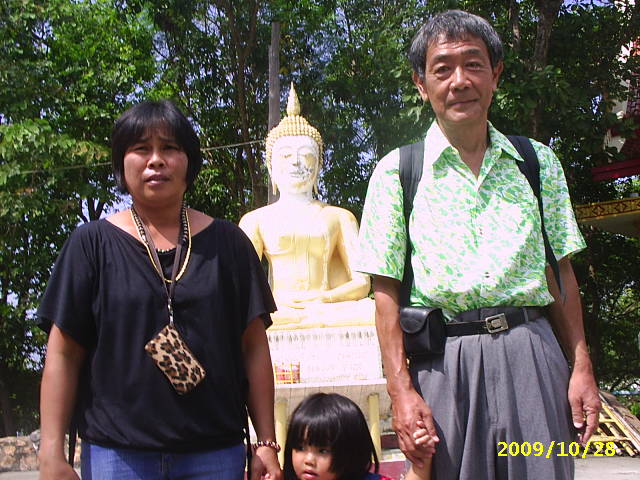
■近況
2009年の9月15日に脳梗塞を発症、右手が少し不自由になりました。
MRAで脳梗塞の部位を特定でき、素早い処置をとれたので大事に至りませんでした。
快復にむけてリハビリ中です。
(2011/01/01更新)
■自己紹介・リンク
[ はじめに ]
タイのスラチャイです。
英語学習に王道はありません。
毎日毎日の地道な努力の積み重ねが必要です。
スラチャイはNHKのラジオ英語会話で現在の英語力を身につけました。
一日僅か15分の学習でも数年間継続すれば相当な学習効果が期待できます。
[ 名前 ]
松井 清 (スラチャイ)
[ 略歴 ]
・福岡県出身
・国立高知大学卒業
・準大手建設会社に就職
・50歳で会社を早期退職
・99/10 タイ全土を旅行
・00/10 タイに移住
・03/07 カイちゃん誕生
・07/06 シーファーちゃん誕生
・現在タイ国コンケン在住
[ 座右の銘 ]
Slow and steady wins the race.
遅くとも着実な者が勝利する
(NHK基礎英語芹沢栄先生)
[ 学習の手引き ]
・音読して耳から英語を吸収
・Think in English.
・ネイティブ発音付辞書活用
・英英辞典を活用(英和も)
・翻訳和文で専門用語確認
[ English Newspapers ]
Yomiuri
Mainichi
Asahi
Japan Times
Washington Post
Newyork Times
Bangkok Post
The Nations
Phuket Gazette
[ 英字新聞の英和対訳学習 ]
英字新聞(読売)
英字新聞(毎日)
英字新聞(朝日)
英字新聞(朝日2)
[ スラチャイ編集の辞書 ]
タイ日辞書(改訂版)
日タイ辞書(改訂版)
ラオ日辞書
日ラオ辞書
[ 英字新聞リンク ]
ocn cafe
fc2
goo
yahoo
ameba
New Entries
New Recent
- srachai ⇒ 格安航空参入 本格化する「空」の価格競争
- srachai ⇒ Japanese banks must bolster core capital ratios
- Yoko Suzuki ⇒ Japanese banks must bolster core capital ratios
- 広末涼子が灰皿にう〇こ、流失した映像入手! ⇒ 香山リカのココロの万華鏡:すぐ結果を求めないで /東京
- srachai ⇒ 南シナ海 中国の自制が必要だ
- 広末涼子が灰皿にう〇こ、流失した映像入手! ⇒ 黒木さん自殺?他殺?
- srachai ⇒ 豪雨被害 的確な情報で早めの避難を
- a_student ⇒ 豪雨被害 的確な情報で早めの避難を
Archives
マイリンク
Search Form
seesaa100 英字新聞s HPs 1
スラチャイの家族紹介
私の家族
スラチャイの手作りリンク集
スラチャイタイ在住9年目
中国語会話基礎(北京語)
タイ日辞典(単語帳)
タイ語の子音
タイ語の母音
スラチャイ編曲のmidiのギター曲
スラチャイ編曲のJ.S.Bachです
スラチャイの多国言語学習
初歩のタイ語
初歩の中国語
初歩のラオス語
初歩のビルマ語
初歩のシンハリ語
初歩のタガログ語
タイ語の基礎
タイ文字
タイ日辞書
タイ語の副詞
タイ語の前置詞
タイ語の助動詞
タイ語の接続詞
基礎タイ語一覧(タイ文字、ローマ字)
seesaaサイト内リンク一覧:
01 あいさつ
02 別れのあいさつ
03 声をかけるとき
04 感謝の言葉と答え方
05 謝罪の言葉と答え方
06 聞き直すとき
07 相手の言うことがわからないとき
08 うまく言えないとき
09 一般的なあいづち
10 よくわからないときの返事
11 強めのあいづち
12 自分について述べるとき
13 相手のことを尋ねるとき
14 頼みごとをするとき
15 申し出・依頼を断るとき
16 許可を求めるとき
17 説明してもらうとき
18 確認を求めるとき
19 状況を知りたいとき
20 値段の尋ね方と断り方
21 急いでもらいたいとき
22 待ってもらいたいとき
23 日時・場所・天候を尋ねるとき
24 その他
基礎タイ語一覧(タイ文字、音声付き)
サイト外HPリンク一覧:
01 あいさつ
02 別れのあいさつ
03 声をかけるとき
04 感謝の言葉と答え方
05 謝罪の言葉と答え方
06 聞き直すとき
07 相手の言うことがわからないとき
08 うまく言えないとき
09 一般的なあいづち
10 よくわからないときの返事
11 強めのあいづち
12 自分について述べるとき
13 相手のことを尋ねるとき
14 頼みごとをするとき
15 申し出・依頼を断るとき
16 許可を求めるとき
17 説明してもらうとき
18 確認を求めるとき
19 状況を知りたいとき
20 値段の尋ね方と断り方
21 急いでもらいたいとき
22 待ってもらいたいとき
23 日時・場所・天候を尋ねるとき
24 その他
seesaa100 英字新聞s HPs 2
タイの文化一覧:
01 雨の日にも傘をささないタイ人
02 勉強熱心なタイ人女性たち
03 タイ人は敬謙な仏教徒
04 タイの市場
05 タイの食堂
06 タイ人は外食が大好き
07 果物王国タイランド
08 タイ人の誕生日
09 タイの電話代は高い
10 微笑みの国タイランド
14の戒律(テラワーダ仏教戒律)
seesaaサイト内リンク一覧:
第01番目の戒律
第02番目の戒律
第03番目の戒律
第04番目の戒律
第05番目の戒律
第06番目の戒律
第07番目の戒律
第08番目の戒律
第09番目の戒律
第10番目の戒律
第11番目の戒律
第12番目の戒律
第13番目の戒律
第14番目の戒律
14の戒律(テラワーダ仏教戒律)
サイト外HPリンク一覧:
14の戒律解説
第01番目の戒律
第02番目の戒律
第03番目の戒律
第04番目の戒律
第05番目の戒律
第06番目の戒律
第07番目の戒律
第08番目の戒律
第09番目の戒律
第10番目の戒律
第11番目の戒律
第12番目の戒律
第13番目の戒律
第14番目の戒律
[ 英字新聞リンク ]
yahoo geolog
yaplog
worldpress
teacup
jugem
hatena
@word
blogger
biglobe
excite
a8
so-net
ameblo
wox
rakuten
ninja
seesaa
goo
fc2
yahoo
livedoor
dreamlog
[ HPリンク ]
HP2 srachai2000_2
Japanese for Thai students
タイ語学習サイト
ラオ日・日老辞書
cocolog 家族のアルバム
fc2 家族のアルバム


